


Introduction
You know how people often view sports betting as more of an intuition-based game rather than a scientific process? Well, with the rise of big data and advanced analytics, we are able to bring in a more methodical approach. I took this idea and ran with it, leveraging my data analysis skills to create a savvy sports betting dashboard. It does not just randomly choose bets. Instead, it meticulously analyzes betting odd lines to find the bet with the highest probability of winning.
In this post, I am excited to share with you this unique project. We will dive into how I took the traditional world of sports betting, usually driven by gut feelings, and transformed it into a data-driven machine. It has been quite a journey, and I believe you will find the process intriguing. Let’s get started!
The Data and Preprocessing
For this project, I utilized Python’s robust capabilities to web scrape data from leading sports books. Specifically, I crafted scripts to systematically extract data from PrizePicks, DraftKings, and Pinnacle. These scripts were designed to run at five-minute intervals, ensuring the collection of the most current and up-to-date odds lines each time. This frequent data gathering provided a continuously refreshed perspective on the evolving betting landscape, critical for the accuracy and relevance of my analysis.
Cleaning and preprocessing the data were my next steps. This included dealing with missing values, correcting data inconsistencies, and converting data into formats suitable for analysis.
The Math Behind the Model
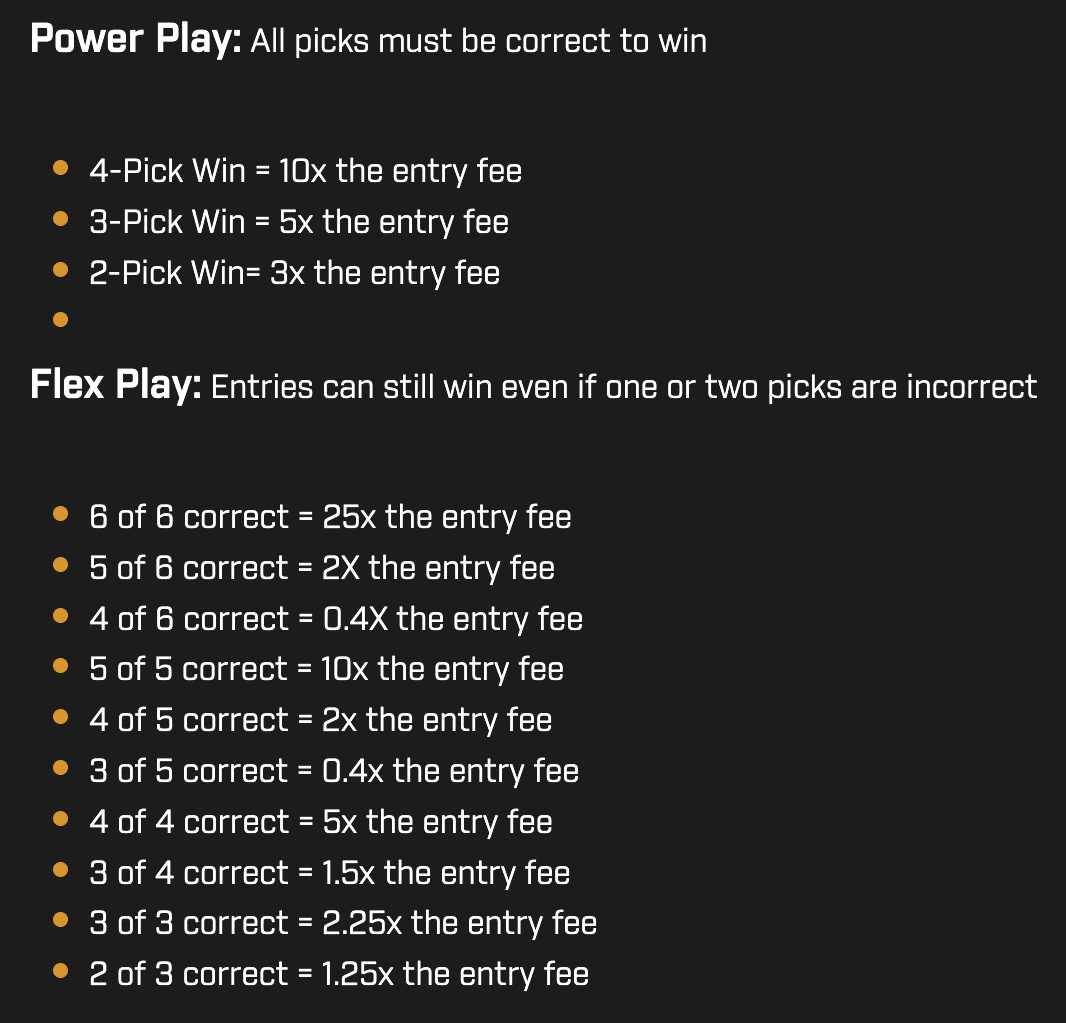
In this project, we’re using PrizePicks as our sports book. Unlike traditional platforms, PrizePicks uses a fixed payout structure for all bets. After evaluating this structure, we found the ‘5 pick flex’ offers the best long-term return on investment. However, to stay profitable, our individual bets need to hit a 54% success rate. This is the critical threshold when placing bets.
With a clear baseline established, we’ll strategically place bets only when they exhibit greater than 54% fair odds as per the dashboard’s analysis. But before we dive into that, let’s dissect what we mean by ‘fair odds’ and how we calculate them.
‘Fair odds’ are the hypothetical odds we’d see if sports books didn’t build in their profit margins. They reflect the actual probabilities of outcomes, without the bookmaker’s added cut. Understanding ‘fair odds’ is vital for our data-driven betting approach and overall betting analytics.
Creating the Dashboard
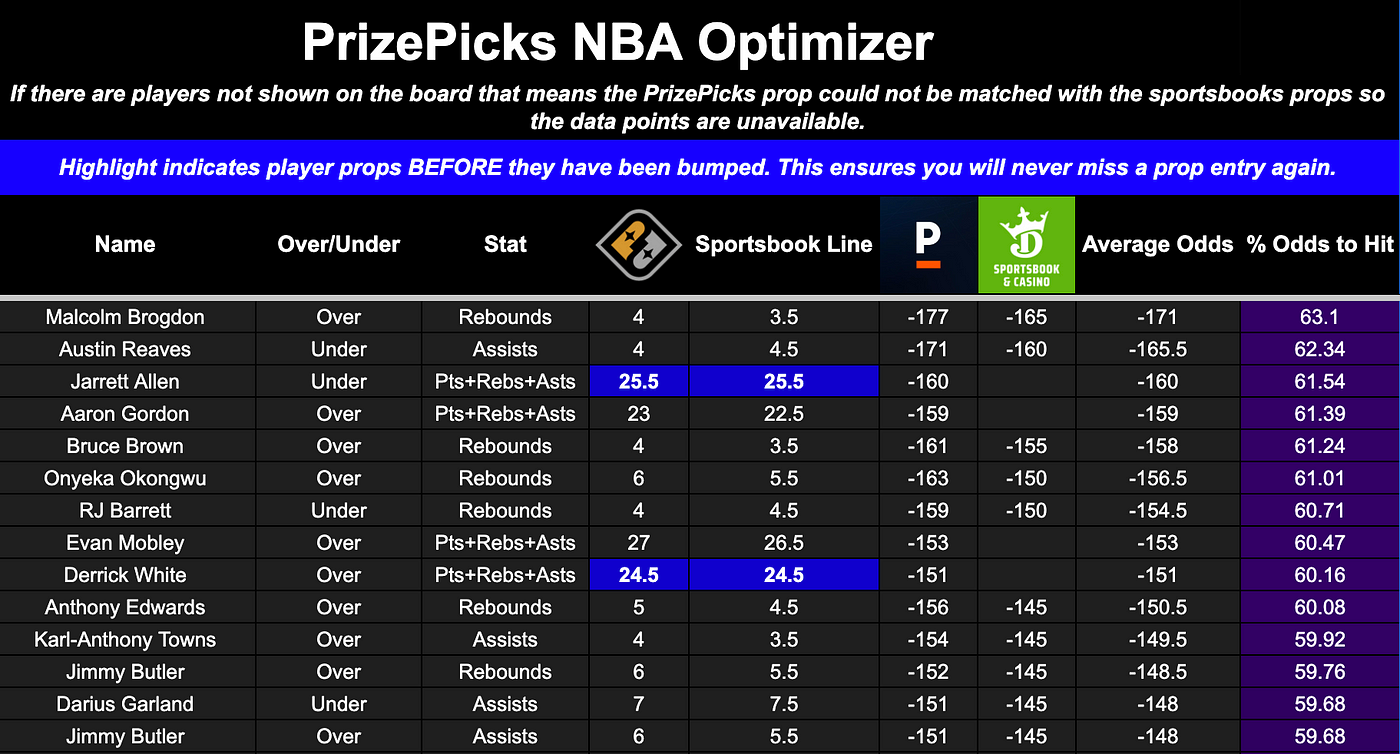
I wanted this dashboard to show the most profitable betting opportunities in a very easy-to-understand format. To achieve this, I designed a workflow orchestrated by Python scripts:
- The first script scrapes data from various sports books, capturing the latest odds every five minutes to ensure the data remains current and relevant.
- Upon completion of the scraping process, a data cleaning script is triggered, refining the raw data into a more analyzable format.
- The cleansed data is then passed to another script, which pushes the data to a Google Sheets document. The data is automatically sorted and filtered, presenting bets with the highest odds first.
This process occurs every five minutes, ensuring users have access to the most favorable odds at any given time.

Results and Conclusion
My journey with this dashboard began in February 2023. As a new user on PrizePicks, I took advantage of their welcome offer by depositing $100, which they generously matched, giving me a starting bankroll of $200. Astonishingly, within just two months of utilizing this dashboard, I secured 52 successful entries, resulting in a total win amount of $4,591.20. This impressive return nearly marked a 50-fold increase on my initial investment.
In conclusion, this project underscores the power and potential of data analytics. It also highlights how the right skills and tools can turn something traditionally based on intuition into a science-based endeavor. My sports betting dashboard serves as a real-world example of leveraging data analytics to provide an edge in an industry historically driven by chance and luck.

 Zara Aleesya






Editorial Review: This guide has been reviewed by the editorial team for clarity, practical value, mobile usability, payment safety, and safer decision-making.